
Hangul Beat explains what K-pop songs really say: the meaning, the feeling and the Korean behind the words.


Hi, I’m Kwanho
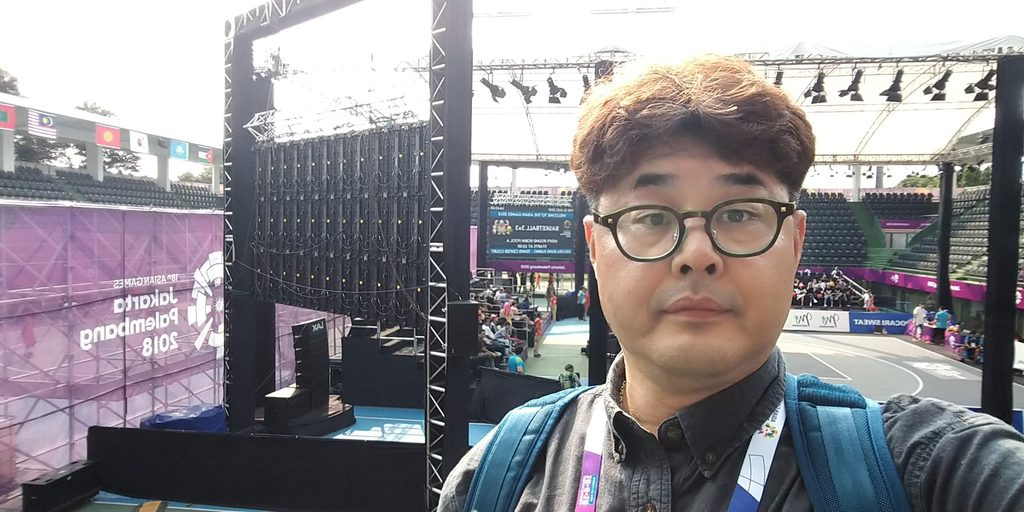
I’m Kwanho Kim, and I live in Korea. For about 20 years, I’ve planned and run concerts, festivals and live events here. My work has been on the ground: booking the stage, setting the running order, standing in the wings and watching the crowd.
Hangul Beat is the site I wished existed every time I watched an international audience sing along to a Korean song.
Why I started Hangul Beat
At many of the shows I worked on, foreign fans sang every word. They knew the melody, the timing and even the pronunciation. It was beautiful to watch.
But I often wondered how many of them knew what they were singing. Many were simply following the sounds. And the translations online often miss the point. A line about longing becomes a line about waiting. A joke comes out flat. A word with a whole history behind it becomes one plain English word.
That always felt like a small loss. Korean lyrics are full of feeling that doesn’t survive a word-for-word translation: the warmth of a dialect, the sadness in a single ending, a phrase every Korean grew up hearing.
I believe that when you understand what a song is really saying, you love it more. So I started Hangul Beat to explain Korean songs the way I’d explain them to a friend standing next to me at a show.
From the stage to this site
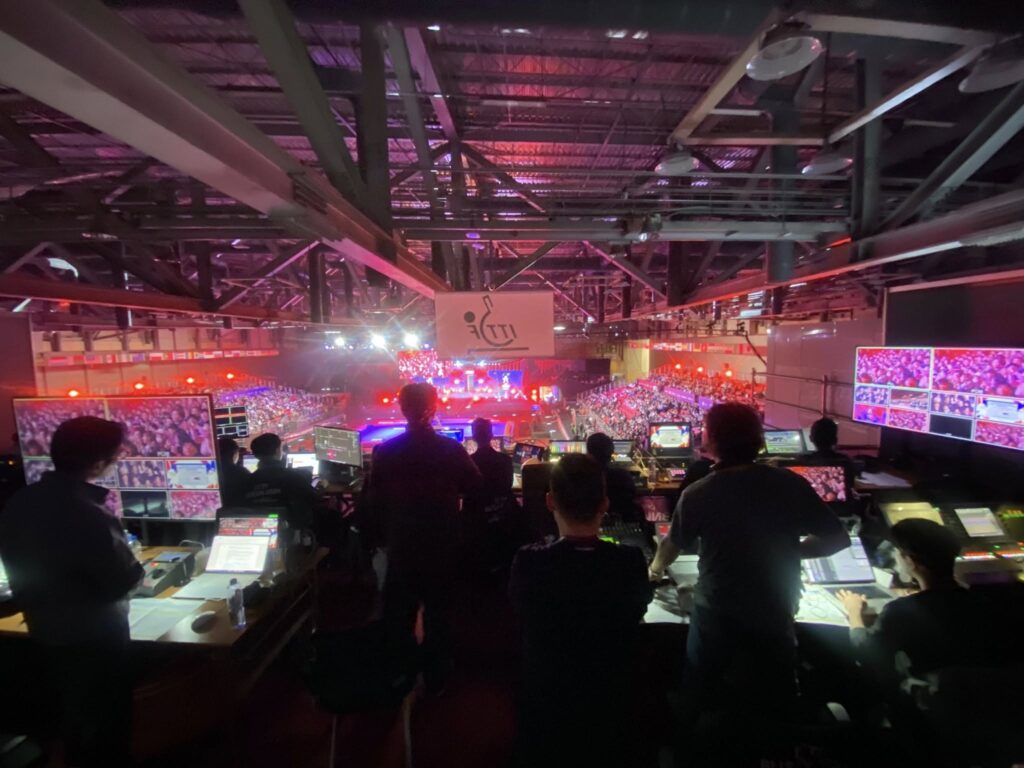

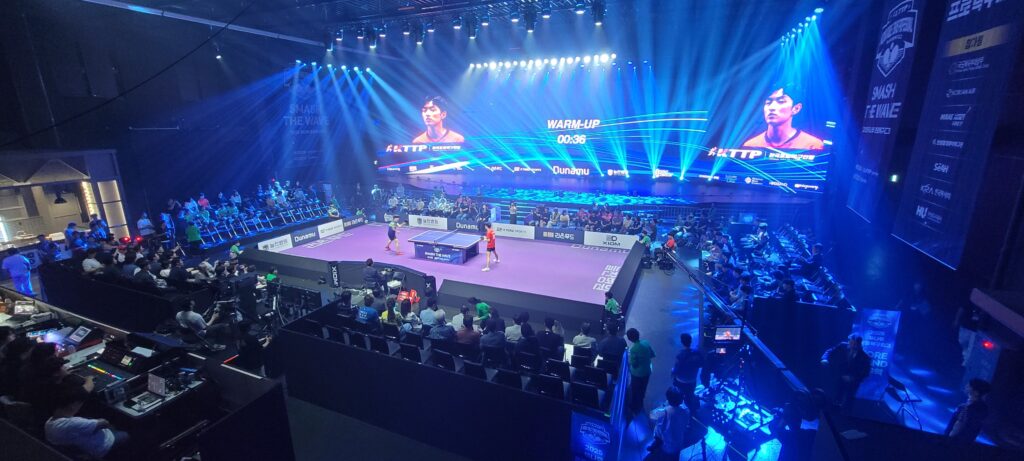
Two decades of live events taught me a few things that shape how I write here:
- A song lives in its context. The same line hits differently depending on who sings it, when it came out and what was happening in Korea at the time.
- Fans deserve the real meaning. Not a guess, and not a translation that sounds nice but says something else.
- Every audience is different. I write for fans who don’t speak Korean yet, so I explain things plainly and never assume you know the background.
What you’ll find here
Song Meanings. The story and background of a K-pop song, what the Korean title means, and the cultural details a translation leaves out, all in plain English.
Korean Words. One word or phrase that keeps showing up in K-pop, what it means and how Koreans actually use it.
Pronunciation. How to say the words you’ve been singing, with simple tips for the sounds English speakers find tricky.
How I write each post
I explain, I don’t copy. Song lyrics belong to their writers and labels, so I don’t publish lyrics. Instead, I explain the meaning in my own words and encourage you to listen on official channels.
I start from the original Korean. I read the lyrics in Korean myself and explain the meaning, not a machine translation of a translation.
I separate fact from interpretation. When a meaning is clear, I say so. When a line can be read more than one way, I tell you that too, and I say which reading I think fits and why.
I fix mistakes. If you spot something wrong, tell me and I’ll correct it.
Hangul Beat is an independent fan site. It isn’t connected to any artist, label or entertainment company.
Say hello
Have a song you want explained, a word you keep hearing, or a correction? I’d love to hear from you.
Email: hello@hangulbeat.com
Thanks for being here, and for caring about what the words mean.